
- 14-day returns
- Free delivery
- Customer service every day, 8.30 to 18.30
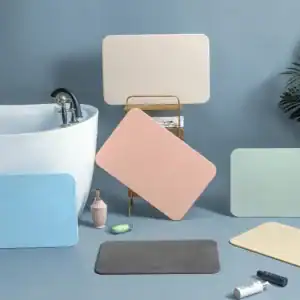
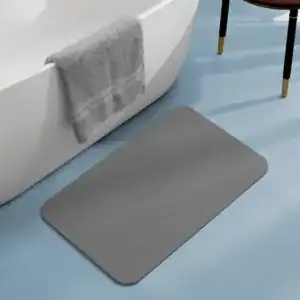
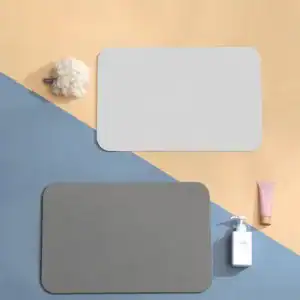

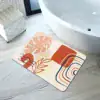
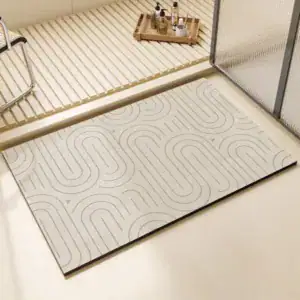
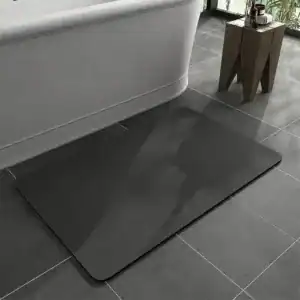



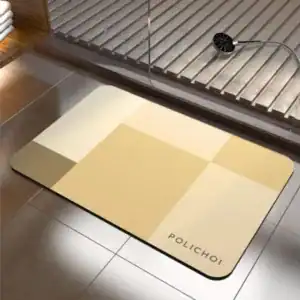
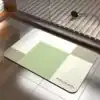
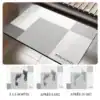
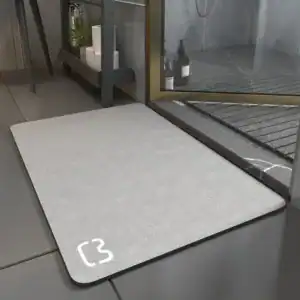
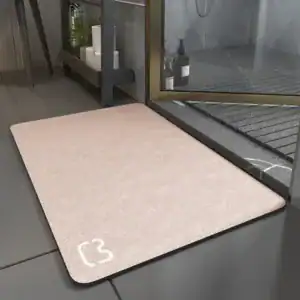
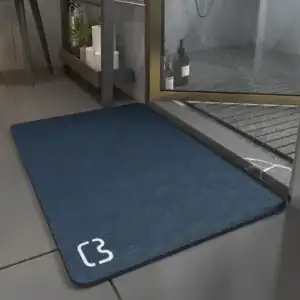



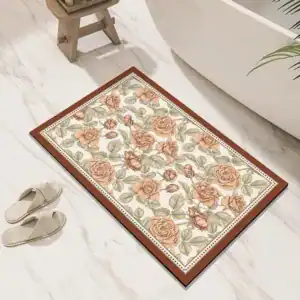
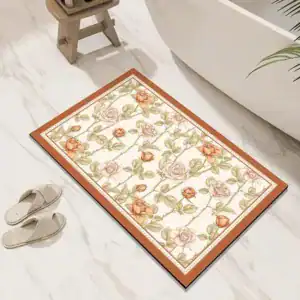
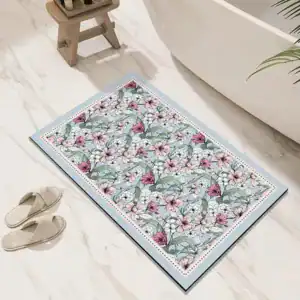
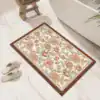
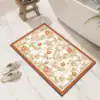
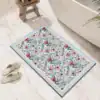
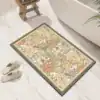
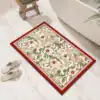
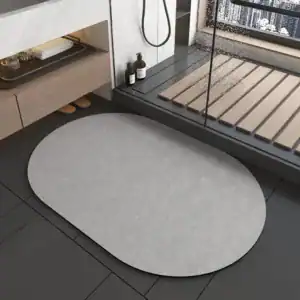
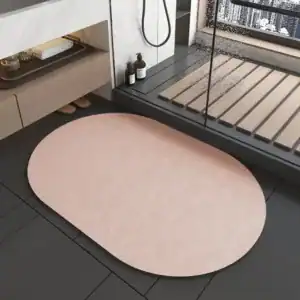
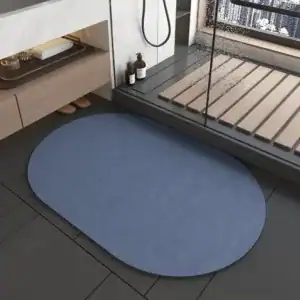



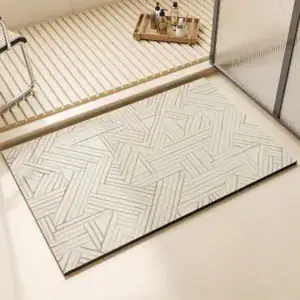
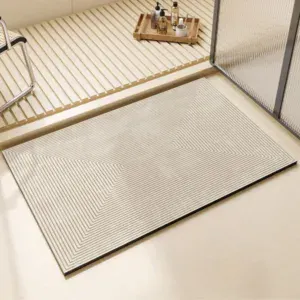
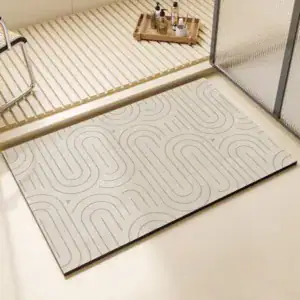
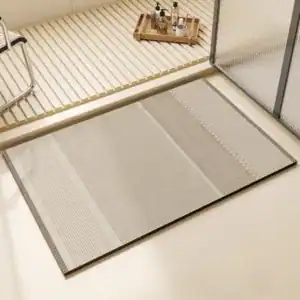

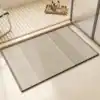
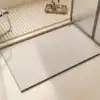
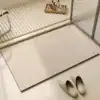

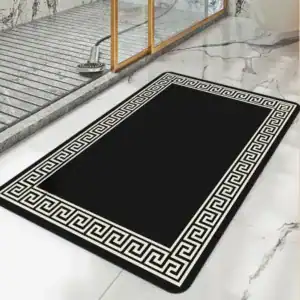
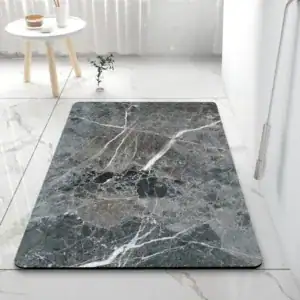
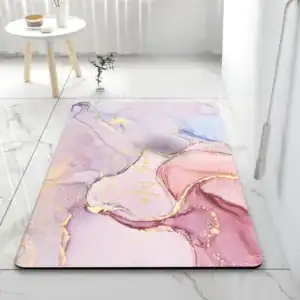
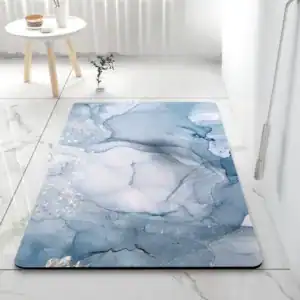
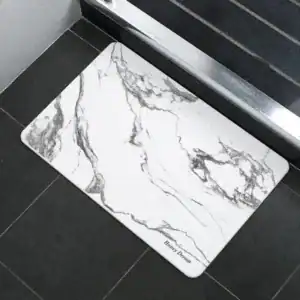
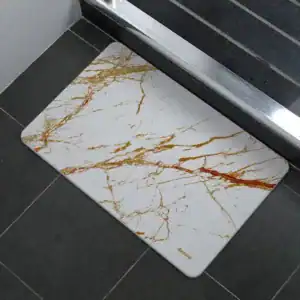
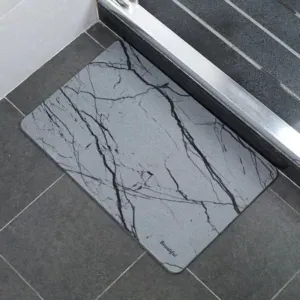
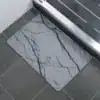
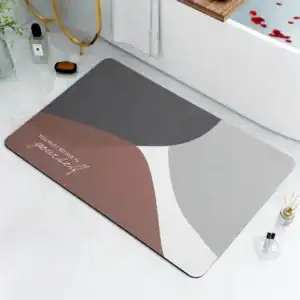
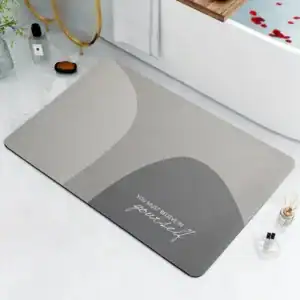
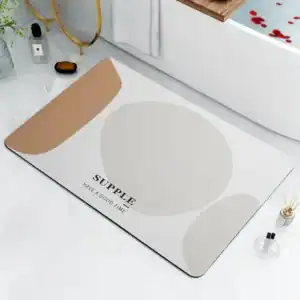
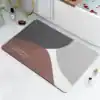
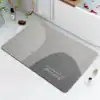
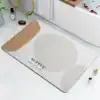
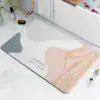

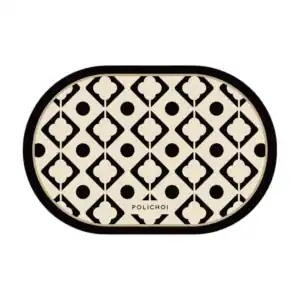
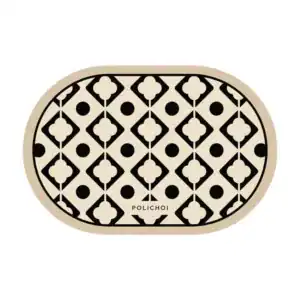
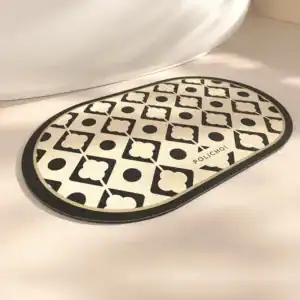
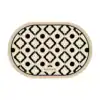
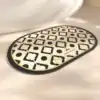
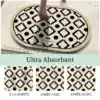
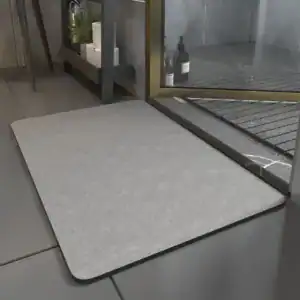
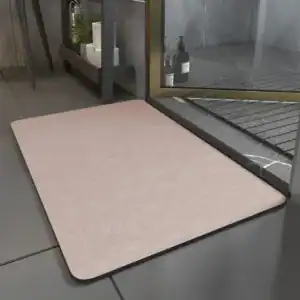
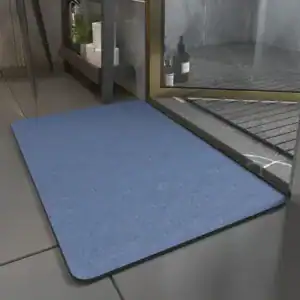



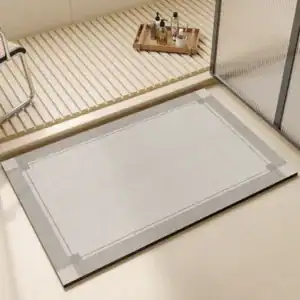

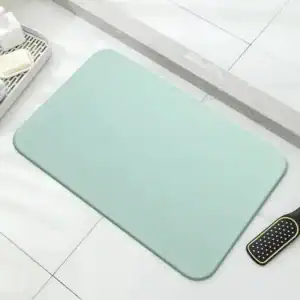
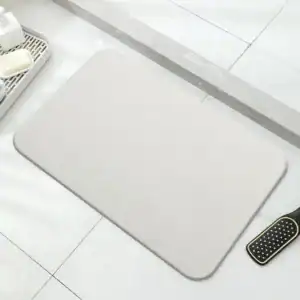
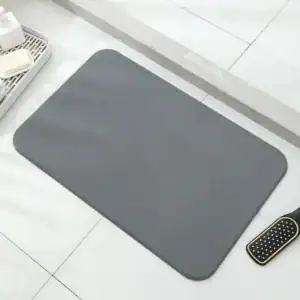


Stone Bath Mat
Step out of the shower onto something that actually works. Stone bath mats have earned a devoted following for one simple reason: they handle water differently from any textile mat on the market, and that difference is immediately noticeable underfoot.
What Makes a Stone Bath Mat Distinct
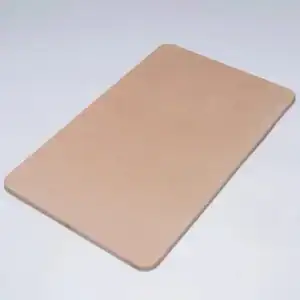
The term “stone bath mat” refers primarily to mats made from diatomite (also called diatomaceous earth), a compressed mineral formed from fossilized algae. Unlike fabric or memory foam options, diatomite is a rigid, porous slab. Its porous structure draws moisture away from the surface quickly.
This behavior is fundamentally different from absorption. A textile mat holds water inside its fibers until it evaporates or you wash it. A diatomite mat moves water through its surface and releases it into the air. The result is a mat whose surface dries quickly between showers.
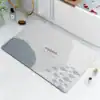
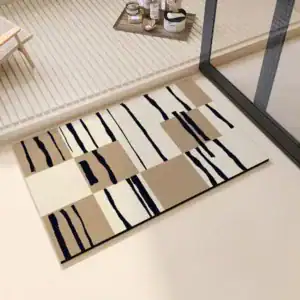
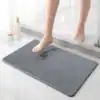
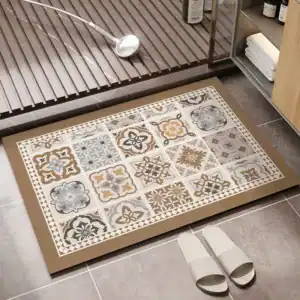
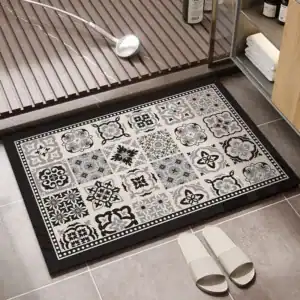
The Diatomaceous Earth Bath Mat is the most common expression of this material, but you will also find variants in charcoal tones, beige finishes, and larger formats designed for households with higher foot traffic.
How to Choose the Right Stone Mat
Size and coverage
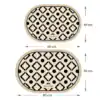
Most stone mats come in a standard rectangular format, roughly 60 x 40 cm (about 24 x 16 inches), which suits a single shower exit. If two people share a bathroom or you want coverage in front of a double vanity, a large diatomite format is worth considering. Measure your floor space before ordering: these mats cannot be trimmed or folded.
Thickness and weight
Thicker slabs tend to feel more substantial underfoot, while thinner versions are lighter and easier to move for cleaning but more prone to cracking if dropped. Weight is a practical concern if you frequently rearrange your bathroom layout.
Finish and color
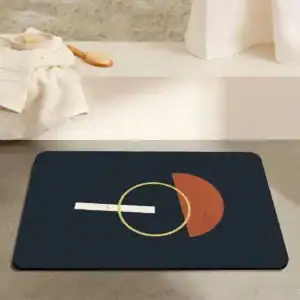
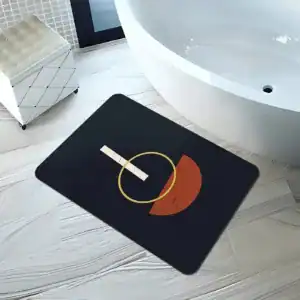
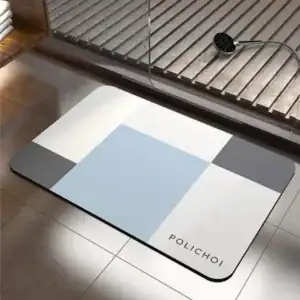
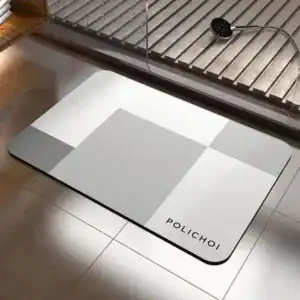
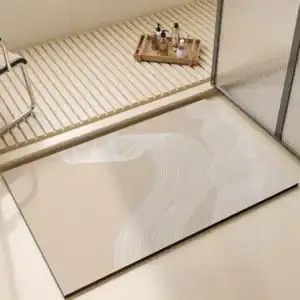
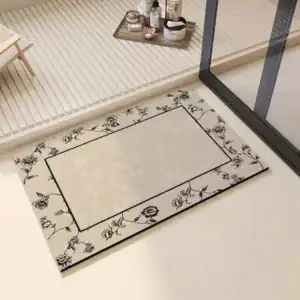
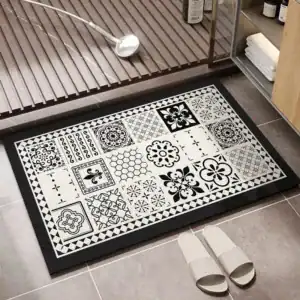
Stone mats come in a range of neutral tones: sandy beige, warm natural gray, and deep charcoal. A beige stone finish reads warm and pairs well with wood-toned accessories, while a darker tone like the charcoal diatomite variant anchors a more contemporary or monochrome bathroom scheme. The surface texture is lightly sanded on most models, which provides grip without being abrasive.
Non-slip base
A rigid mat on a wet tile floor requires a reliable non-slip backing. Check that the product includes rubber feet or a full non-slip underside. This is a non-negotiable safety feature, particularly on glazed ceramic or polished stone floors. If you are also looking for protection inside the shower enclosure itself, a dedicated shower mat is a separate purchase worth exploring.
Who Benefits Most From This Type of Mat
Stone mats suit households that want low-maintenance bathroom accessories. Because the surface dries quickly, there is no damp mat sitting on the floor between uses, and no need to hang it up or rotate it daily. People who prefer a minimalist bathroom aesthetic also tend to gravitate toward them: the clean, flat profile and neutral palette integrate easily into most tile and fixture combinations.
They are less suited to households where very young children use the bathroom unsupervised. The rigid material does not flex, and a dropped mat can chip or crack. For a softer, more forgiving option in a family setting, the absorbent bath mat category offers textile alternatives that are lighter and washable.
Worth knowing: Diatomite mats can be refreshed by lightly sanding the surface with fine-grit sandpaper (400 grit or finer) if absorption slows over time. Mineral deposits from hard water are the usual cause. Avoid soaking the mat in water or placing it in a dishwasher, as prolonged submersion can weaken the compressed mineral structure.
Stone vs. Other Quick-Dry Materials
Feature
Diatomite Stone Mat
Microfiber / Textile Mat
Memory Foam Mat
Surface drying speed
Very fast
Moderate
Slow
Machine washable
No
Yes
Some models
Rigid / flexible
Rigid slab
Flexible
Flexible
Underfoot feel
Firm, cool
Soft
Cushioned
Typical weight
Heavy
Light
Moderate
Color options
Neutral tones
Wide range
Moderate range
Frequently Asked Questions
Will a stone bath mat crack under normal use ?
Diatomite is a compressed mineral, not solid rock, so it can crack if dropped onto a hard floor or if a heavy object falls on it. Under normal standing use, it is durable. Handle it carefully when moving it for cleaning, and store it flat rather than upright.
Is the surface slippery when wet ?
The top surface of most diatomite mats has a lightly textured, sanded finish that provides reasonable grip even when wet. The greater risk is the mat itself sliding on a smooth floor, which is why a non-slip rubber base is important. Always verify this feature in the product specifications before purchasing.
How do I clean a stone bath mat ?
Wipe the surface regularly with a damp cloth. For deeper cleaning, rinse under running water and allow it to dry completely in a well-ventilated space, ideally standing upright. Never machine wash or soak it. If the surface becomes less effective over time, light sanding restores the porous texture.
Can a stone mat be used on underfloor heating ?
Diatomite tolerates mild warmth without issue. However, very high floor temperatures may accelerate surface wear. Check the manufacturer’s guidance for the specific product you are considering, and avoid placing the mat directly over a heating element at full output.
What size should I choose for a standard bathroom ?
A standard format (approximately 60 x 40 cm) covers the exit area of most shower cubicles and bathtubs comfortably for one person. For a wider bath surround or two users stepping out simultaneously, opt for a larger format. Always measure the available floor space and account for door clearance before ordering.
The grid below brings together the full selection currently available, from classic beige and natural gray tones to larger formats and darker finishes. Browse by size or color to find the combination that fits your bathroom layout.